Purpose:
Creates a poetic journey that shifts in tone, rhythm, and complexity, allowing for a narrative that evolves from simple observations to a more intricate theme exploration.
Structure:
- Canto I: Three haiku stanzas (5-7-5 syllables each)
- Canto II: One tanka stanza (5-7-5-7-7 syllables)
- Canto III: Choice of either:
- A Villanelle (19 lines, following the traditional villanelle structure and rhyme scheme)
- A Terzenelle (19 lines, following the terzenelle structure and rhyme scheme)
An Explanation of Canto III
- Villanelle option: Provides a structured, intense repetition that emphasizes key themes or images
- Terzenelle option: Offers a blend of villanelle and terza rima elements for a unique progression of ideas
Key Features:
- Progressive complexity from haiku to tanka to Villanelle/Terzenelle
- Flexibility in theme and tone between sections
- Opportunity for stark contrast or subtle evolution between parts
Guidelines:
- A sequence of three Haiku: Establishes setting, mood, or initial observations
- A Tanka: Introduces a shift, tension, or turning point
- A Villanelle/Terzenelle: Develops the main action, revelation, or thematic exploration Rhyme and Meter:
- Haiku and tanka sections: Traditional syllabic count, no rhyme requirement
- Villanelle option: Traditional villanelle structure with its specific rhyme scheme and repetition pattern
- Terzenelle option: Follows the terzenelle structure with its defined rhyme scheme and repetition pattern Themes:
- Versatile, but particularly suited for themes involving transformation, contrast, or gradual revelation
Examples:
- “Ice Lions” and “Breathtaking” by Tristan Robert Lange serve as the inaugural examples History:
In October, Sparkle Magic City (a publication on Medium.com) put out the following prompts for their week 5 challenge. The prompts were home, basket, ice, guitar, and pillow. I chose two of the five prompts to work with, with the idea of having ice fly out of a picnic bakset. I took that initial concept and thought of how to create the horrifying, jolting effect of icicles flying out at the picnickers’ faces. I knew that Haiku could set a serene scene and seasonal feel and that a Tanka would very much keep the syllabic flow of the poem intact. As someone who values repetitive forms, I figured a villanelle would be perfect to lock people into that horrific scene and yet feel a sense of helplessness and inevitability as it unfolds.
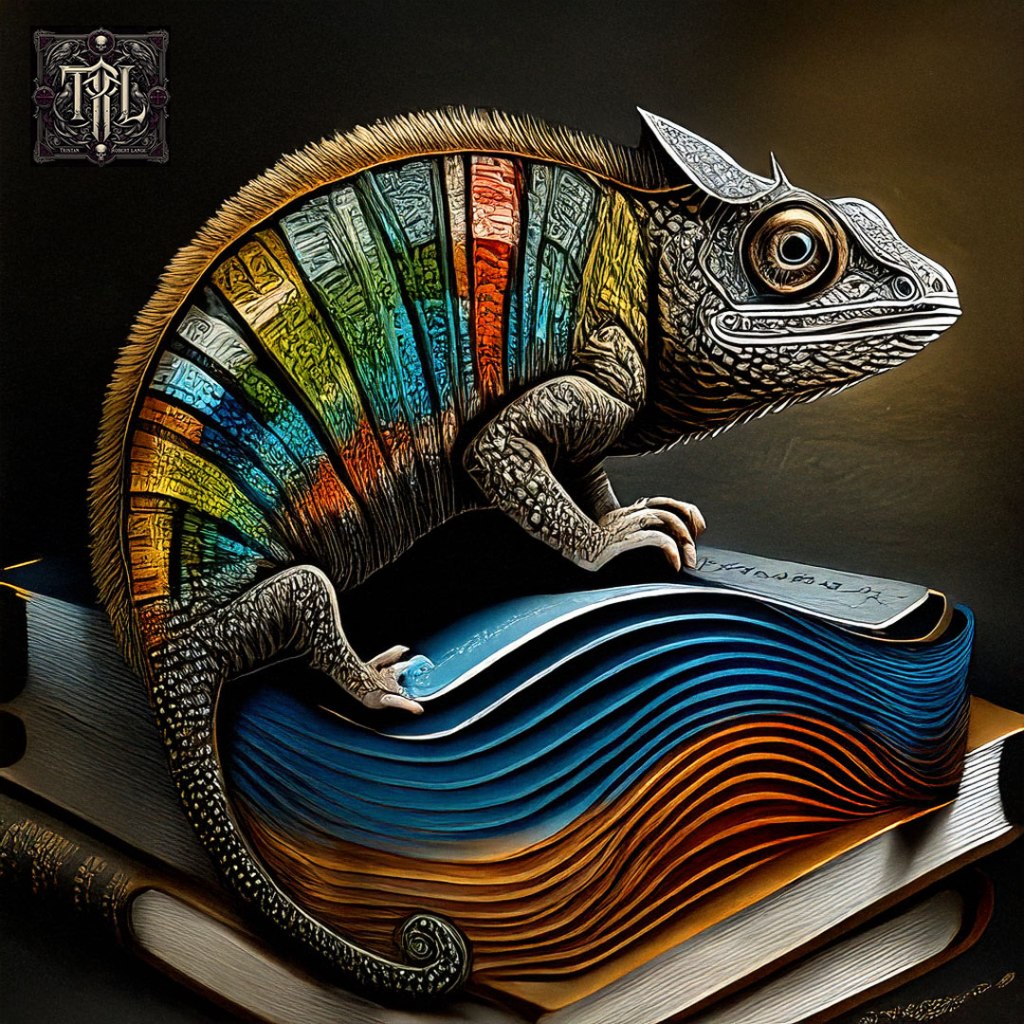
I did not initially view this as an independent form. I simply wrote the poem and then walked away. On February 6, I had the idea of writing a poem that transitioned from a beautiful sunrise to being swallowed up by the sea. It dawned on me that the structure of the Ice Lions poem might work for this concept, so I employed it and realized this was a very duplicatable form. I named it Chameleon Cantos because, like a chameleon, it is a hybrid that shifts between forms. This shifting casues the narrative to be a bit of chameleon too, in that it shifts in tone and intensity.
Following completion of the poem “Breathtaking” on February 7, 2025, I recognized the value and versatility of this form I accidentally created for a single poem and drafted up these guidelines so that others can employ and play with it as well.
© 2025 Tristan Robert Lange. All rights reserved.
Originally published on MyPoeticSide.com, February 13, 2025.
Tittu


 Tristan Robert Lange